- +91-9810683821 / 9717769222
- contact@kansalcolour.com
Why Pre-Engineered Buildings Are Better Than Traditional Construction
23
Jan
Across India, the construction industry is undergoing a fundamental shift. Developers who once depended only on RCC construction and other forms of conventional construction are rapidly adopting modern pre-engineered buildings for industrial buildings, commercial buildings, warehouses, and large-scale industrial infrastructure. In fast-growing hubs like Delhi NCR, this change is visible in new factories, industrial sheds, manufacturing units, and logistics buildings rising with sleek steel structures instead of heavy concrete frames.
This transition is not just about style; it is about measurable performance. Compared with traditional construction vs PEB solutions, owners are seeing shorter project timeline commitments, better building durability, improved energy efficiency, and tighter control over construction costs. For many clients, especially those planning pre-engineered buildings in Delhi and nearby regions, the question is no longer whether PEB is viable, but how quickly they can switch.
Kansal Colour Roofings India Pvt. Ltd. is a Delhi-based specialist in this transformation. As one of the most experienced Pre-Engineered building manufacturers in Delhi, the company designs, manufactures, supplies, and erects steel structure buildings using advanced structural steel systems. Recognised among leading PEB manufacturers in Delhi and trusted pre-engineered building contractors and PEB construction companies, the team supports projects from concept to completion with optimised steel frames and metal roofing solutions.
This blog explores pre-engineered buildings' advantages in depth, comparing pre-engineered buildings vs conventional construction, and explaining the real-world advantages of pre-engineered buildings over traditional construction. By the end, you will understand exactly why you should choose pre-engineered buildings for your next project and how they outperform traditional construction in every critical parameter.
Understanding Pre-Engineered Buildings vs Traditional Construction
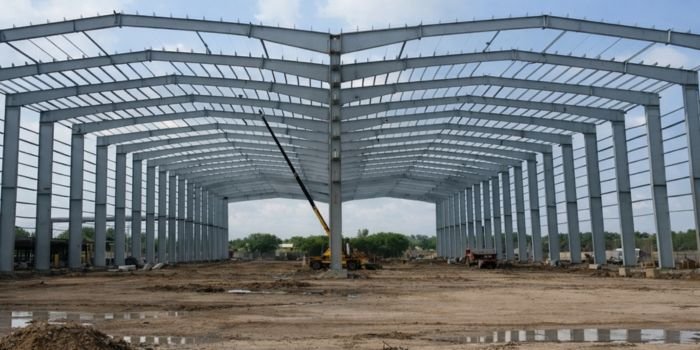
To understand why PEB dominates in modern industrial construction, it helps to look at how a pre-engineered steel structure is conceived. In a typical pre-engineered building design, engineers create a complete 3D model of the steel structures, including steel columns, steel beams, steel frames, roofing sheets, and decking sheets. Every component of the pre-engineered building structure is optimised for load paths, wind and seismic performance, and future expansion.
These PEB structure details are then translated into factory-produced members using structural steel, cut and drilled with CNC precision. Because all steel structure building elements are manufactured off-site, the system works almost like modular construction: components arrive ready to assemble, minimising on-site fabrication and errors. Our in-depth blog on pre-engineered building structures explains how such detailing ensures accuracy and repeatability.
Traditional construction, by contrast, relies heavily on on-site work in RCC construction, masonry, and wet trades. In the usual pre-engineered buildings vs conventional construction comparison, the conventional route depends on site labour for shuttering, reinforcement, concreting, and curing. This increases variability and stretches timelines. When you set traditional construction vs PEB side by side, PEB functions as an industrialised product, while conventional construction behaves more like a craft that depends heavily on daily conditions and workforce availability.
Steel structures also perform differently over the life of a building. Because structural steel components are lighter than equivalent RCC sections, foundations can be smaller, seismic forces are reduced, and future modifications are easier. Our blog on steel structures in construction explores how these factors fundamentally change design strategies.
Pre-Engineered Buildings' Advantages in Design and Performance
From a design perspective, pre-engineered steel buildings start with flexibility. Large column-free spans enable industrial pre-engineered buildings, warehouse pre-engineered buildings, and factory shed pre-engineered buildings to accommodate changing equipment layouts and racking systems without major structural changes. Similarly, commercial pre-engineered buildings benefit from open-plan floors that can be reconfigured as tenants evolve.
Durability of pre-engineered buildings is another decisive factor. Properly protected structural steel delivers outstanding building durability, resisting corrosion and fatigue when specified correctly. Combined with high-quality metal roofing and carefully detailed roofing sheets, owners get low-maintenance steel buildings that maintain performance over decades. This is where low maintenance is not just a marketing phrase but a design objective, achieved through careful material selection and detailing.
Many decision-makers now cite pre-engineered buildings' advantages, such as recyclability, tighter envelopes, and better daylighting control, when considering the advantages of pre-engineered buildings over traditional construction. With modern insulation systems, skylights, and ventilators integrated into the pre-engineered steel structure, energy efficiency becomes a core design parameter rather than an afterthought. When you look at the full lifecycle, it becomes clear why you should choose pre-engineered buildings for both industrial buildings and commercial buildings.
PEB Construction Benefits: Time, Cost, and Project Control
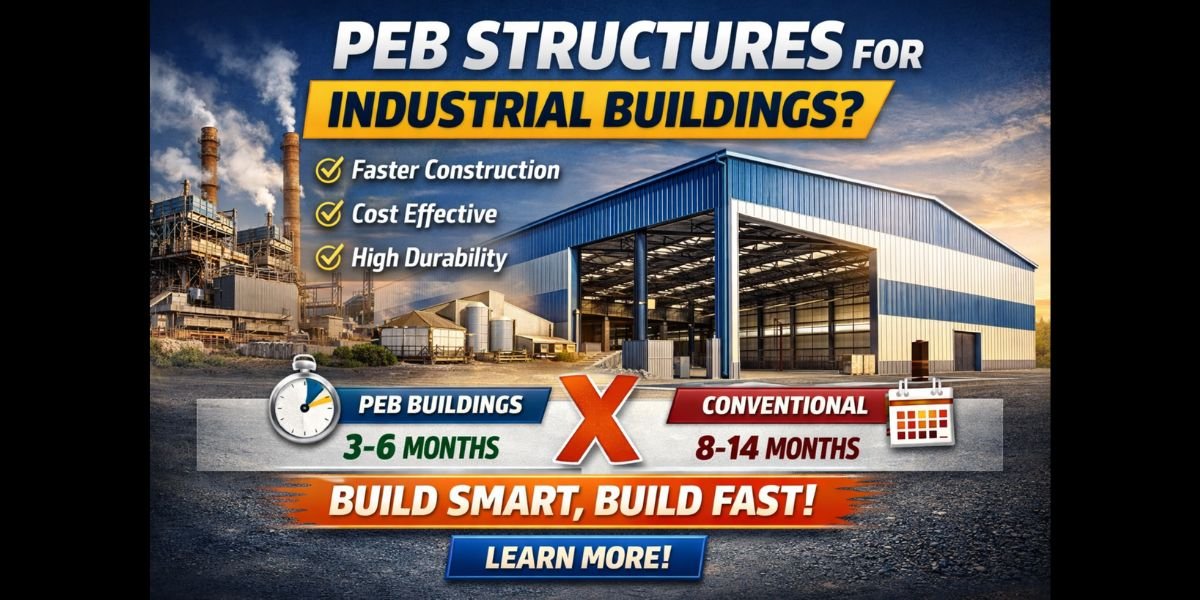
Among the most important PEB construction benefits are speed, predictability, and financial control. Because almost all components are produced in controlled factory conditions, on-site erection progresses rapidly with minimal rework. For developers facing tight lease commitments or production launch dates, faster construction with pre-engineered buildings is often the single biggest advantage.
When you partner with trusted pre-engineered building manufacturers in Delhi, your project timeline is defined early and backed by engineering and manufacturing schedules, rather than optimistic estimates. This is a clear example of time-saving construction methods at work: detailed shop drawings, pre-punched members, and pre-designed connections allow cranes and crews to assemble the frame almost like a kit of parts.
Clear Pre-Engineered Building Cost Visibility and Better Comparisons
Control over pre-engineered buildings' costs is another compelling reason for the shift. Because material quantities are known accurately from the 3D model, and fabrication is centralised, owners get transparent costing very early in the design phase. At Kansal Colour Roofings India Pvt. Ltd., low overhead and streamlined production translate into cost-effective building solutions without sacrificing quality or safety.
When you conduct a serious PEB construction cost comparison against RCC or other forms of conventional construction, the difference in construction cost becomes increasingly obvious. You save not only on steel tonnage due to optimised design, but also on reduced foundation sizes, smaller labour teams, and shortened rental periods for equipment. Moreover, fixed manufacturing rates and defined erection schedules significantly reduce the risk of cost overruns that often plague traditional projects.
These financial PEB construction benefits are magnified for repeat builders such as logistics developers or manufacturing groups who can standardise designs across multiple sites. Top pre-engineered building manufacturers in Delhi help such clients lock in modular grids and detailing standards, further streamlining both project timeline and budgeting.
Real-world applications: from warehouses to commercial spaces
Across Delhi NCR and other industrial corridors of India, you will see industrial pre-engineered buildings serving as process plants, assembly halls, and heavy-equipment shops. Warehouses and logistics buildings benefit especially from column-free widths, making pre-engineered buildings for warehouses the default choice for modern supply chains. In fact, most new warehouse pre-engineered buildings around Delhi are specified with future expansion in mind, which steel structures accommodate effortlessly.
Similarly, factory shed pre-engineered buildings and industrial sheds allow manufacturing units and factories to integrate cranes, mezzanines, and utilities with minimal disruption. The same design logic is now applied to commercial pre-engineered buildings, including retail, showrooms, and office spaces, where tenants require flexibility and rapid fit-out changes. Industrial construction and commercial buildings increasingly prefer PEB systems for precisely these reasons.
Industrial clients typically approach pre-engineered building manufacturers in Delhi when planning large warehouses or production complexes because they recognise pre-engineered steel buildings' advantages in span, height, and loading capacity. For businesses focused on long-term industrial infrastructure, PEB delivers a robust, adaptable framework that can evolve alongside operations.
Roofing and floors: why details matter in PEB structure details
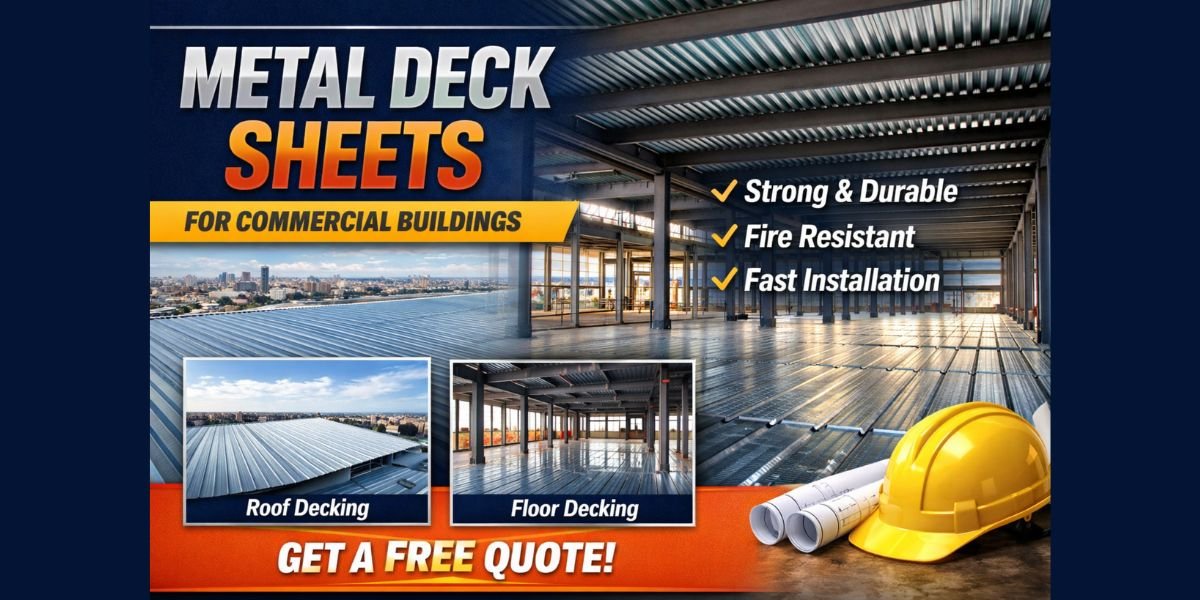
The envelope of a PEB, the roof and floor system, is critical to performance. High-quality metal roofing, combined with insulated roofing sheets and carefully engineered decking sheets, controls thermal gain, water tightness, and structural stiffness. Our detailed blog on decking sheets in PEB explains how floor decking sheets collaborate with beams and joists to create efficient composite systems, while our content on decking sheet manufacturer capabilities highlights what to look for in suppliers.
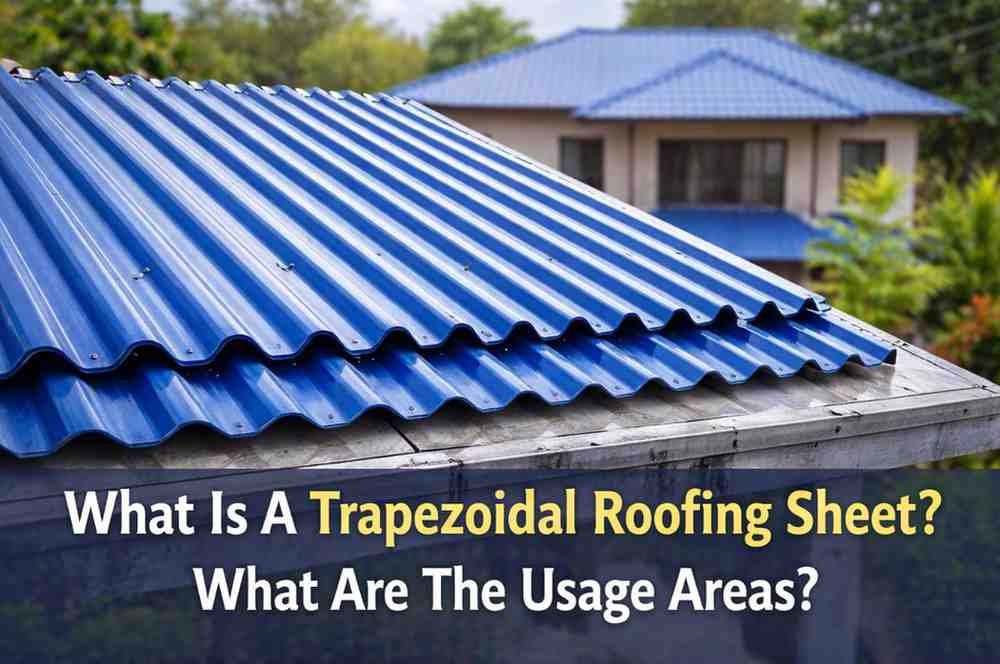
As one of the region’s established roofing sheet manufacturers, Kansal Colour Roofings India Pvt. Ltd. pays close attention to PEB structure details such as fastener layouts, sealants, and overlaps to reduce roof leakage problems over the building’s life. Our blog on roofing sheet manufacturers explores why product quality and installation practices are both essential.
Poorly detailed roofs are a frequent source of roofing issues in commercial buildings, leading to downtime, damaged stock, and expensive repairs. By integrating design, manufacturing, and erection, leading pre-engineered building manufacturers in Delhi can address these issues upfront. Our blog on roof leakage problems discusses how thoughtful detailing and quality control offer long-term protection for owners.
Why pre-engineered building manufacturers in Delhi are leading this shift
The rapid growth of pre-engineered buildings in Delhi is not accidental. The region’s dense industrial clusters, constrained land parcels, and demanding customers require solutions that combine speed, flexibility, and reliability. As established pre-engineered building manufacturers in Delhi, Kansal Colour Roofings India Pvt. Ltd. combines engineering expertise with modern fabrication to meet these expectations.
For industries across Delhi NCR, working with local pre-engineered building manufacturers in Delhi simplifies coordination with architects, consultants, and government agencies. Local PEB construction companies understand regional wind and seismic requirements, climatic conditions, and municipal processes, making compliance smoother. At the same time, experienced pre-engineered building contractors ensure that the on-site phase is as efficient as the design and manufacturing phases.
Our dedicated blog on steel structures in construction shows how local know-how influences detailing choices, from coatings and bracing systems to expansion provisions. In many ways, the ecosystem of specialists in and around Delhi has turned the city into a benchmark market for pre-engineered buildings across India.
How Kansal Colour Roofings India Pvt. Ltd. Adds Value
Backed by more than 20 years of experience, Kansal Colour Roofings India Pvt. Ltd. operates two world-class manufacturing units in Sonepat, Haryana, spanning over 2 lakh square feet of production area with an annual capacity of 40,000 MT of steel manufacturing and a team of over 300 skilled employees. Imported machinery processes everything from main built-up sections and cold-formed sections to colour-coated profile sheets, C & Z purlins, profile polycarbonate sheets, flashings, and metal deck sheets.
This integrated capability allows the company to deliver truly end-to-end steel structures, from early pre-engineered building design through fabrication and erection. By managing quality across the full chain, the firm ensures that low-maintenance steel buildings are not just promised, but delivered on site.
Conclusion: Moving beyond Conventional Construction with PEB
When you compare pre-engineered buildings vs conventional construction across all major parameters: speed, construction cost, flexibility, building durability, low maintenance, and energy efficiency, the case is clear. Pre-engineered buildings consistently outperform traditional construction, especially for industrial buildings, warehouses, and large commercial buildings.
For asset owners, the combination of predictable pre-engineered building costs, faster construction with pre-engineered buildings, and long-term performance makes PEB the logical way forward. As our blogs on topics like roof leakage problems and roofing issues in commercial buildings underline, the details of design and execution matter greatly, and working with specialists can prevent expensive issues later.
If you are planning a new warehouse pre-engineered buildings project, expanding manufacturing units, or considering commercial pre-engineered buildings in or around Delhi NCR, it is time to explore what modern steel structures can do for you. Speak with our team at Kansal Colour Roofings India Pvt. Ltd. to discuss your requirements, compare PEB construction cost comparison options, and review customised, cost-effective building solutions. Contact our experts by visiting our Google Business Profile to see how one of the most trusted pre-engineered building manufacturers in Delhi can help you move beyond conventional construction with confidence.